Tirana on a Tuesday: What Life Actually Looks Like for Americans Living and Working in Albania
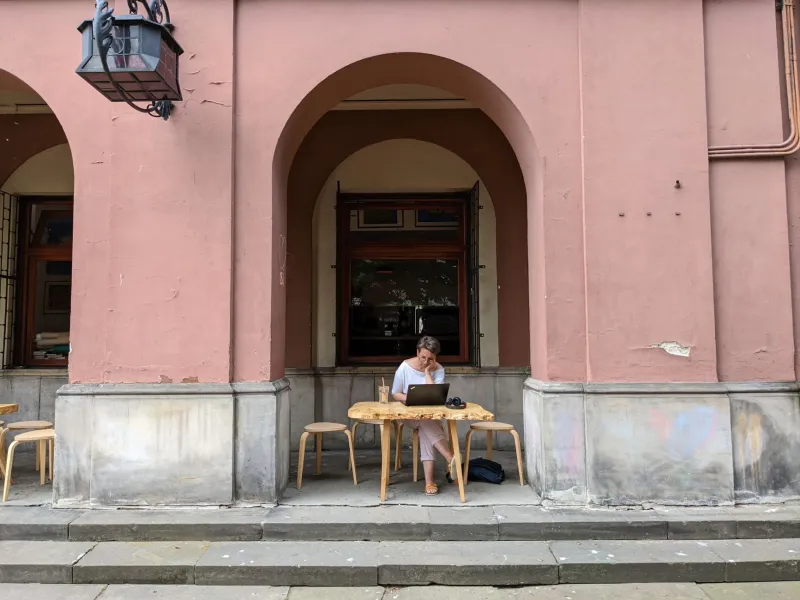
There's a certain kind of American who's done the math on Portugal, looked sideways at Bali, and quietly started Googling something a little less obvious. Maybe you've heard a podcast mention it. Maybe a Slack message from a remote colleague tipped you off. However you got here, you're now asking the same question a growing number of digital nomads are asking: Is Albania actually legit?
Short answer: yes, more than most people expect.
Long answer: keep reading.
The Expat Trickle That's Becoming a Wave
Albania has been on the radar of budget-savvy Europeans for years, but the American remote work crowd is catching on fast. Tirana — the country's capital and easily its most dynamic city — has seen a noticeable uptick in English-speaking newcomers setting up for months at a time. Durrës, the coastal city just 30 minutes west, is pulling in a different crowd: people who want sea views with their Zoom calls.
What's drawing them? A combination of factors that's hard to replicate anywhere else in Europe at this price point. Low cost of living. A welcoming local culture. Decent (and improving) digital infrastructure. And a visa situation that's genuinely one of the most foreigner-friendly on the continent.
The Visa Situation Is Surprisingly Simple
For Americans, Albania is almost frictionless to enter. US passport holders can stay for up to one year without a visa — not 90 days like most of Europe, but a full 12 months. You read that right. No Schengen zone clock ticking in the background. No visa runs to reset your stay. You just show up, get your passport stamped, and get to work.
Albania has also introduced a Digital Nomad Visa for those who want a more formal arrangement with residency perks, though many Americans find the standard entry allowance more than sufficient for a trial run or extended stay. It's worth consulting an immigration lawyer if you're planning to stay long-term and want to open a local bank account or sign a lease, but for a one-to-three month work-cation, the entry process is about as painless as it gets.
What Does a Month Actually Cost?
This is where things get interesting for anyone used to paying San Francisco or New York prices — or even Austin prices these days.
A furnished one-bedroom apartment in a central Tirana neighborhood like Blloku (think: the city's trendy, walkable core) runs somewhere between $400 and $700 per month depending on the season and how polished the place is. Mid-range restaurants will run you $8–15 for a full meal with a drink. A cappuccino at one of Tirana's many excellent coffee bars? Under $2. Groceries at a local market are genuinely cheap, especially fresh produce and dairy.
A realistic monthly budget for a solo American remote worker living comfortably — nice apartment, eating out several times a week, weekend day trips, occasional splurges — lands somewhere between $1,500 and $2,200. For comparison, that's roughly what a one-bedroom apartment alone costs in many mid-tier US cities.
Durrës skews slightly cheaper on accommodation but has fewer dining and coworking options. It makes more sense as a base if you're specifically there for the beach lifestyle and don't mind a short commute into Tirana for city amenities.
The Wi-Fi Question (Because It Matters)
Let's be honest — this is the thing every remote worker actually needs to know before committing to a destination. Albania has made real strides here. Tirana's fiber internet infrastructure has expanded significantly in recent years, and most modern apartments advertise high-speed connections. Speeds of 100 Mbps and above are common in newer buildings.
Coworking spaces have also popped up across the capital. Places like Tumo Tirana and several independent hubs near Blloku offer day passes and monthly memberships, reliable connections, and the bonus of a community of like-minded people to grab coffee with between calls. Cafés throughout the city also tend to have solid Wi-Fi — Albanians take their coffee culture seriously, and a good connection is part of the package.
That said, internet reliability can vary in older buildings and in smaller towns outside the capital. If you're planning to base yourself somewhere rural for part of your stay, a local SIM card with a data plan is a smart backup. Albanian mobile carriers offer affordable prepaid options that make solid 4G coverage accessible almost everywhere.
What a Month-Long Work-Cation Actually Looks Like
Imagine this: You land in Tirana on a Sunday, grab a ride from the airport for about $15, and check into your Airbnb or short-term rental in Blloku. By Monday morning, you've found a café with great espresso and fast enough Wi-Fi to handle your morning standup. By the end of week one, you've figured out your neighborhood, discovered a local bakery that does incredible byrek, and taken one afternoon off to wander the National History Museum.
Weekend one: you rent a car and drive two hours to the Albanian Riviera. Weekend two: you head north toward Shkodër and the Albanian Alps. By week three, you've settled into a rhythm that feels less like a vacation and more like actual life — in the best possible way.
That's the thing expats keep saying about Albania. It doesn't feel like a performance of living abroad. The pace is manageable, the people are genuinely warm toward Americans, and the country's rapid development means you're watching something interesting unfold in real time.
A Few Things to Know Before You Go
Cash is still king in many places. While Tirana has expanded card acceptance, smaller restaurants, markets, and transportation often prefer Albanian Lek. ATMs are widely available, but having local currency on hand saves headaches.
The language barrier is lower than you'd think. English proficiency is high among younger Albanians, especially in Tirana. You'll get by without learning Albanian, though a few phrases go a long way in earning goodwill.
The sun hits differently on the coast. If you're building a work-cation around Durrës or Vlorë in summer, factor in afternoon heat. Mornings are golden for deep work; afternoons are for the beach.
The community is growing. Facebook groups and expat forums for Albania-based remote workers are active and genuinely helpful for finding housing leads, coworking recommendations, and weekend trip partners.
Is Albania the Right Move for You?
Albania isn't going to be the right fit for everyone. If you need a buzzing, established expat infrastructure like Lisbon or Medellín, it's still catching up. But if you're the kind of traveler who'd rather be ahead of the curve than following the crowd — and you want your dollar to stretch further than it has any right to in Europe — Albania deserves a serious look.
The Americans who've already made the move aren't keeping it a secret forever. The question is whether you're going to find out about it from them, or from the travel magazine feature that's inevitably coming once the rest of the world catches on.
Either way, Albandar Travel can help you start planning. Whether it's a two-week exploratory trip or a full month-long work-cation, we know Albania better than almost anyone — and we're happy to show you what you've been missing.