From Byrek to Baklava: Albania's Food Scene Is the Mediterranean Secret Your Taste Buds Have Been Waiting For
Let's be honest — when Americans think Mediterranean food, the mental image is pretty predictable. Greek salads. Italian pasta. Maybe some Spanish tapas if you're feeling adventurous. Albania rarely makes the list, and that's a shame, because what's happening on Albanian plates right now is some of the most exciting, soulful eating in the entire region.
Albanian cuisine doesn't shout. It doesn't have a celebrity chef ambassador or a Netflix documentary (yet). What it has is centuries of layered influence — Ottoman spice markets, Balkan pastoral traditions, Adriatic seafood culture, and a fierce local pride in ingredients grown, raised, and prepared the old way. For American travelers willing to dig in, it's a revelation.
The Flavor History Behind Every Bite
To understand Albanian food, you need a quick history lesson — the kind that makes you hungry. Albania spent nearly five centuries under Ottoman rule, which left fingerprints all over the cuisine: slow-cooked meats, flaky pastries, syrup-soaked sweets, and a deep love of offal dishes that would make any nose-to-tail restaurant in Brooklyn jealous.
But Albania didn't just absorb Ottoman cooking — it remixed it. The country's mountainous geography created isolated regional communities that each developed their own culinary DNA. The south leaned Mediterranean, borrowing olive oil and citrus from Greek neighbors. The north went heavier, relying on dairy, game, and foraged greens. The coast developed its own seafood identity entirely.
The result? A food culture that's genuinely diverse within a country smaller than the state of Maryland.
The Dishes You Absolutely Cannot Skip
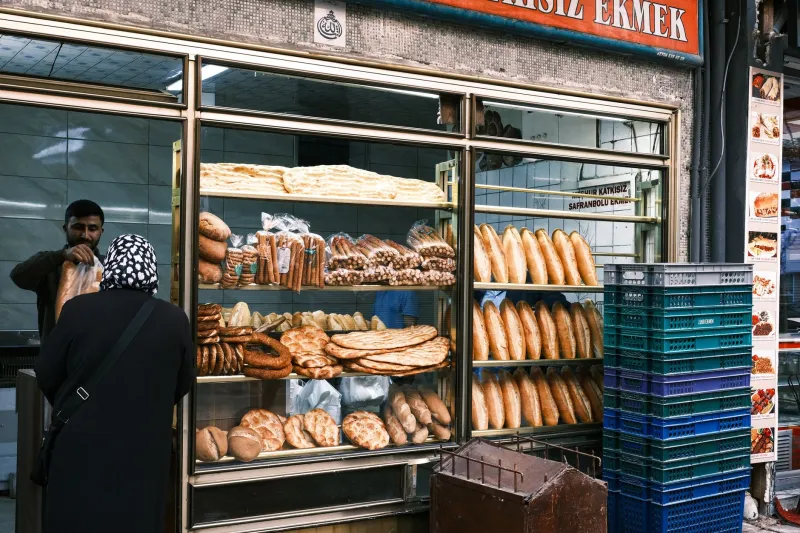
Byrek is the entry point for most visitors, and for good reason. These flaky, layered pastries — filled with spinach and cheese, minced meat, or creamy gjizë (a fresh Albanian curd cheese) — are everywhere. You'll find them at roadside bakeries, morning markets, and family breakfast tables. A fresh-from-the-oven byrek, still warm and slightly crispy at the edges, costs less than a dollar and beats any airport croissant you've ever had by a mile.
Tavë Kosi is arguably Albania's national dish, and it earns that title. Slow-baked lamb and rice are smothered in a tangy yogurt and egg custard that caramelizes in the oven into something almost impossibly rich. It's comfort food at a level that makes American casserole culture look timid. The version served in Elbasan — the city that claims the dish as its own — is the gold standard.
Fergësë is Tirana's contribution to the canon: a bubbling skillet of peppers, tomatoes, and cottage cheese (sometimes with liver or beef), eaten with crusty bread and absolutely nothing resembling restraint. It's the kind of dish that shows up at lunch and somehow keeps you full until the next morning.
For seafood lovers, the Albanian Riviera delivers grilled octopus, sea bass baked in salt crust, and mussels cooked in local white wine that rival anything you'd pay three times the price for in Santorini. The coastal town of Sarandë and the fishing village of Himara are your best bets for the real thing.
And then there's the sweet side. Albanian baklava is lighter and less aggressively sweet than its Turkish counterpart, often flavored with local walnuts and a honey that tastes like wildflowers because, well, it basically is. Trilece — a milk-soaked sponge cake that Albania shares with the broader Balkan region — has become a modern obsession, showing up in trendy Tirana cafés in creative new forms.
Regional Eating: A Cheat Sheet by Area
If you're planning a trip and want to eat strategically (and you should), here's how to think about it geographically.
Tirana is your best starting point for variety. The capital has seen an explosion of farm-to-table restaurants in recent years, with spots like Oda (a traditional Albanian restaurant in a restored stone house) and the newer wave of urban eateries around the Blloku neighborhood doing serious creative work with local ingredients. The city's New Bazaar (Pazari i Ri) is a must-visit — a beautifully restored market where you can load up on local cheeses, cured meats, pickled vegetables, and fresh produce while chatting with vendors who've been selling the same family-made products for decades.
Gjirokastër, the UNESCO-listed stone city in the south, is where Albanian food gets its most traditional expression. Family-run restaurants here still cook from recipes passed down through generations, and the lamb dishes — often cooked in a sac (a traditional cast-iron lid buried in embers) — are extraordinary. The local white bean soup (jani me fasule) is humble but deeply satisfying, especially on a cool mountain evening.
Shkodër in the north is dairy country. The region is famous for its kaçkavall (a semi-hard yellow cheese), fresh cream, and a culture of hospitality that means you will be fed whether you asked to be or not. The lake nearby supplies carp and eel that show up in preparations you won't find anywhere else in the country.
The Riviera towns — Sarandë, Himara, Dhërmi — are where you go for seafood and the kind of lazy, long lunches that make you forget you ever had a schedule.
The Market Experience: Don't Skip It
One of the best things you can do as an American traveler in Albania is slow down at a local market. Not a tourist market — an actual neighborhood pazari where locals shop. Tirana's Pazari i Ri is the most accessible, but smaller towns have their own weekly markets that are equally worth your time.
What you'll find: rounds of homemade cheese wrapped in cloth, bundles of fresh herbs that smell like the hillside they came from, jars of pickled everything, wild mushrooms in season, and vendors who will insist on giving you a taste of whatever you're looking at. The Albanian concept of besa — a cultural code of honor and hospitality — extends into how people sell food. Nobody wants you to walk away unhappy.
Eating Like a Local: A Few Practical Notes
Meals in Albania run on a different clock than Americans are used to. Lunch is the main event, often happening between 1 and 3 p.m. and stretching well past what feels reasonable. Dinner is lighter and later. Breakfast is usually simple — byrek, bread, cheese, coffee.
Speaking of coffee: Albanian coffee culture is serious. The macchiato (called makiato locally) is the default order, and sitting with one at a sidewalk café for an hour is not considered wasting time — it's considered living correctly.
Prices will genuinely surprise you. A full meal for two at a traditional restaurant, with wine and dessert, regularly comes in under $25. The Albanian Riviera skews slightly higher in summer, but it's still a fraction of what you'd spend in comparable Greek or Italian coastal spots.
The Bottom Line
Albanian food isn't trying to be Greek food or Italian food. It's doing its own thing — proudly, quietly, and deliciously. For American travelers who've done the Mediterranean circuit and want something that feels genuinely undiscovered, Albania's culinary landscape is the answer you didn't know you were looking for. Come hungry. Leave converted.