No Visa, No Problem: How Albania Is Rewriting the American Traveler's Balkan Playbook
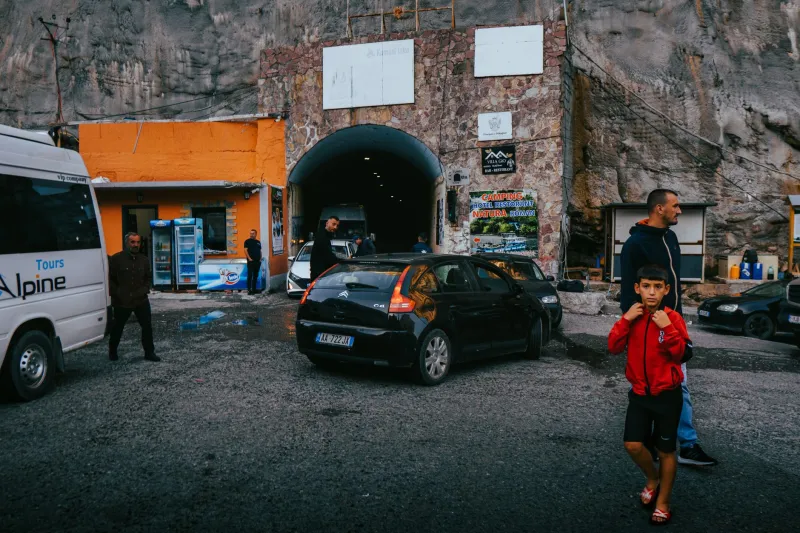
There's a moment every American traveler dreads: standing at a European border crossing, passport in hand, wondering if your paperwork is in order. Did you overstay your Schengen allowance? Is your travel insurance valid enough? Did you remember to register your entry online? It's exhausting — and it's exactly the kind of friction that turns spontaneous adventures into anxiety-filled logistics exercises.
Albania doesn't do that to you.
US citizens can enter Albania without a visa and stay for up to one year — yes, you read that right — without jumping through a single bureaucratic hoop. No pre-approval, no embassy appointments, no fee. Just show up with your American passport, smile at the border agent, and you're in. It sounds almost too simple for a continent that's made an art form out of complicated entry requirements, but that's genuinely how it works.
And travelers are starting to notice.
The Schengen Math Problem Americans Keep Running Into
If you've ever tried to plan an extended European trip as an American, you've probably bumped into the Schengen Zone's 90/180 rule. In plain terms: you get 90 days out of every 180 to bounce around most of Western and Central Europe — France, Germany, Italy, Spain, Greece, and a bunch of others — before you're legally required to leave. That's not nothing, but it's also not as generous as it sounds once you factor in how quickly days disappear when you're actually enjoying yourself.
Albania is not part of the Schengen Zone. That's actually the whole point.
Time spent inside Albania doesn't count against your Schengen clock. So if you're three weeks into a two-month European adventure and starting to do the math with mild panic, hopping across the border into Albania essentially hits the pause button. You can spend weeks exploring the Albanian Riviera, hiking through the Accursed Mountains, or wandering Berat's UNESCO-listed old town — and when you're ready to re-enter Schengen territory, your day count picks up right where you left off.
For long-term travelers, digital nomads, and anyone who's ever felt cheated by the 90-day limit, this is genuinely game-changing.
Real Travelers, Real Itineraries
Ashley, a freelance graphic designer from Austin who spent four months in Europe last year, described her Albania detour as "the accidental highlight of the whole trip." She'd originally planned to spend a week in Montenegro before flying home, but a conversation with a fellow traveler at a hostel in Kotor changed everything.
"Someone mentioned that Albania was right there, no visa needed, and that Shkodër was only a couple of hours away," she said. "I figured I'd pop in for a few days and ended up staying for almost a month. The cost of living was so much lower, the people were incredibly welcoming, and I could actually afford to slow down instead of rushing through everything."
That last part — the ability to slow down — comes up constantly when Americans talk about their Albanian experiences. Without the pressure of burning through limited visa days, there's less incentive to cram everything in and more room to actually settle somewhere, get to know a neighborhood, and travel the way most of us wish we could.
Marcus, a teacher from Chicago who did a Balkans road trip with his partner in a rented campervan, put it differently. "We built our whole route around Albania being the pressure valve," he said. "Whenever we felt rushed in Croatia or North Macedonia, we knew we could dip into Albania and just breathe for a while. It completely changed the energy of the trip."
The Cost Factor: Your Dollar Goes Further Here
Visa-free access is just the opening act. Once you're inside Albania, the financial picture keeps getting better.
Albania consistently ranks as one of the most affordable destinations in Europe for American travelers. A solid sit-down meal in Tirana might run you $8 to $12. Guesthouses in mountain villages can be as low as $20 to $30 a night, often with breakfast included. Fuel is cheaper than in most Schengen countries, which matters a lot if you're doing a road trip. And the exchange rate between the US dollar and the Albanian lek has historically been favorable for American visitors.
Compare that to the cost of a week in, say, the Swiss Alps or coastal Croatia during peak season, and the math gets pretty compelling pretty fast.
There's also the matter of what you're not paying. No visa application fees. No travel insurance requirements specific to entry. No bureaucratic processing costs. For budget-conscious travelers or anyone trying to stretch a longer trip, those savings add up in ways that actually matter.
How to Build Albania Into Your Balkan Route
The country is remarkably well-positioned for road trippers. Albania shares borders with Montenegro to the north, Kosovo and North Macedonia to the east, and Greece to the south. That means you can enter from multiple directions without any significant detour from a standard Balkans circuit.
A popular American traveler route looks something like this: fly into Dubrovnik or Split, work your way through Croatia and Montenegro, cross into Albania at Shkodër, head south along the coast through Vlorë and the Albanian Riviera, then exit into Greece near Sarandë — where, by the way, you can see Corfu from the waterfront on a clear day. The whole thing feels seamless in a way that multi-country European itineraries don't always manage.
If you're flying in specifically to use Albania as a base, Tirana's Mother Teresa International Airport has expanded its connections significantly in recent years, with routes to major European hubs making it easier than ever to use the country as both an entry and exit point.
A Few Things Worth Knowing Before You Go
Albania's visa-free policy applies to US passport holders, but it's always smart to double-check the latest entry requirements before you travel since policies can shift. At the time of writing, American citizens can stay up to one year without a visa, but longer stays may require registering with local authorities.
The country uses the Albanian lek (ALL), not the euro, though euros are widely accepted in tourist areas. ATMs are readily available in cities and larger towns, but cash is still king in rural areas, so plan accordingly.
Driving in Albania is an adventure in itself — road conditions vary, and mountain routes require patience and attention — but the scenery you'll encounter makes every kilometer worth it.
The Bottom Line
Albania's visa-free entry for Americans isn't just a logistical convenience. It's a genuine invitation to travel differently — slower, cheaper, and with a whole lot less stress. Whether you're using it to reset your Schengen clock, anchor a longer Balkans road trip, or simply because you want to spend time somewhere that hasn't been overrun by tour buses and Instagram crowds, Albania delivers in ways that are hard to overstate.
Europe's best-kept secret just happens to also be its most welcoming. Bring your passport and leave the paperwork at home.