Stone Walls, Startup Vibes: Inside the Albanian Town That's Quietly Reinventing Itself
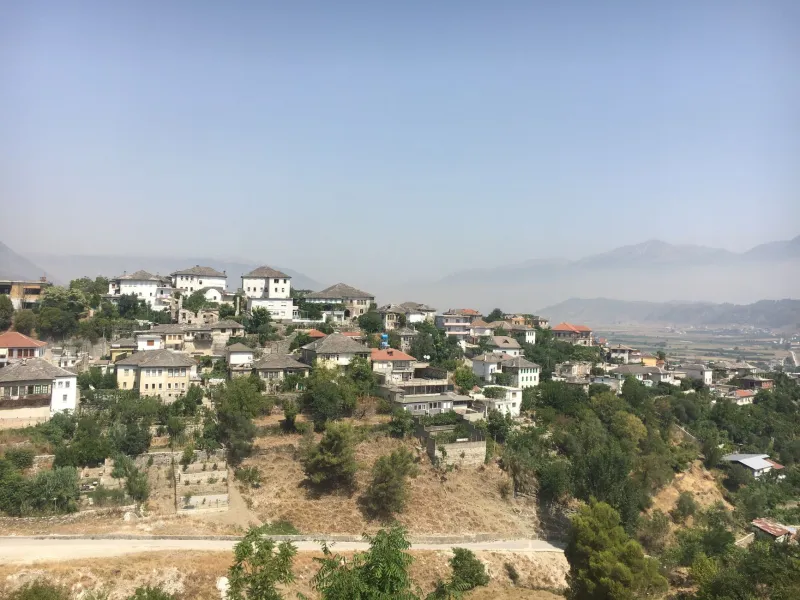
There's a moment, usually somewhere between your second glass of local wine and your third hour wandering the cobblestone lanes of Gjirokastër's old bazaar, when it hits you: this place should be famous. Like, actually famous. The kind of famous that fills every boutique hotel six months in advance and spawns a thousand lifestyle pieces in travel magazines. And yet, most Americans couldn't find Gjirokastër on a map — which, depending on how you look at it, is either a tragedy or the best travel secret still standing in Europe.
A City That History Built (And Then Mostly Forgot)
Perched on a steep hillside in southern Albania, Gjirokastër is the kind of place where the architecture itself tells you everything. The city's distinctive stone houses — massive, fortress-like structures with slate roofs and overhanging upper floors — have earned it a spot on the UNESCO World Heritage list alongside a handful of genuinely iconic destinations. The Ottoman-era bazaar, the looming castle that dominates the skyline, the narrow lanes that seem to fold over themselves: all of it adds up to a cityscape that feels genuinely medieval without being staged for tourists.
For most of the 20th century, Gjirokastër was sealed off from the world under Enver Hoxha's isolationist communist regime — ironically, the same regime that accidentally preserved much of the city's historic fabric by discouraging development. When Albania opened up in the early 1990s, the city emerged blinking into the post-communist light with its architectural heritage largely intact but its economy hollowed out. Decades of economic struggle followed, and a significant portion of the population emigrated to Greece, Italy, and beyond.
That story, however, is changing.
The Return
Walk through Gjirokastër today and you'll notice something unexpected alongside the ancient stonework: freshly painted signs, carefully curated menus printed on recycled paper, wine lists featuring Albanian varietals you've never heard of. A quiet but unmistakable wave of young Albanians — many of them returning after years abroad — is transforming the city's hospitality and cultural scene from the ground up.
Erjona Doko spent eight years in Thessaloniki before coming back to open a small wine bar in a restored Ottoman-era building near the bazaar. "I saw what was happening in places like Tirana and realized Gjiro had something those places couldn't manufacture," she told us, gesturing at the stone walls around her. "Authenticity. You can't build this. You either have it or you don't."
Her bar — which seats maybe 25 people on a good night — stocks exclusively Albanian wines and spirits, including bottles from small producers in the Berat and Përmet regions that you genuinely cannot find outside the country. On weekend evenings, the place fills with a mix of locals and the trickle of European travelers who've stumbled onto the city's growing reputation.
Art, Food, and the Bones of a Scene
Gjirokastër's cultural revival isn't just happening in bars and restaurants. The city has become a low-key hub for Albanian artists and craftspeople who've chosen to work outside of Tirana's more competitive environment. A handful of small galleries have opened in recent years, and the annual Gjirokastër National Folklore Festival — held every five years in the castle — draws performers and visitors from across the Balkans in a way that feels genuinely celebratory rather than touristy.
Food-wise, the city's restaurant scene punches well above its weight. Southern Albanian cuisine leans heavily on slow-cooked lamb, wild herbs, and local dairy — particularly the aged cheeses and yogurt-based dishes that reflect the region's pastoral traditions. Tavë kosi, a baked lamb and yogurt casserole, is the dish to order, and several spots in the old bazaar do it better than anywhere else in the country. Prices remain startlingly reasonable by American standards: a full dinner with wine for two will rarely crack $30.
How to Visit Without Being That Tourist
Gjirokastër rewards slow travel. This is not a city you power through in an afternoon; it's a place where the experience compounds over days. Stay in one of the city's family-run guesthouses — several are located in restored historic homes and offer a level of character that no chain property could approach. Ask your host for restaurant recommendations rather than defaulting to whatever shows up first on a travel app. Wander without a specific destination. Get slightly lost in the upper neighborhoods where the houses get older and the views get better.
If you want to support the local economy in a meaningful way, prioritize spending at independently owned businesses: the wine bars, the craft shops selling locally made textiles and ceramics, the small restaurants where the owner is also the cook. The tourism infrastructure here is still largely community-driven, and that's exactly what makes it worth protecting.
The Clock Is Ticking (Gently)
Gjirokastër isn't overrun — not yet. But the combination of UNESCO status, improving road connections, and word-of-mouth buzz among the European travel community means that the window of visiting this city in its current, relatively undiscovered state is finite. The entrepreneurs and artists building something here aren't trying to keep it secret; they're trying to build something sustainable. The best thing American travelers can do is show up, spend money locally, and tell people back home what they found.
Because what they'll find is something genuinely rare: a city in the middle of its own comeback story, still being written.