Cool, Clear, and Completely Off the Map: Albania's Secret Swimming Holes Locals Don't Want You to Know About
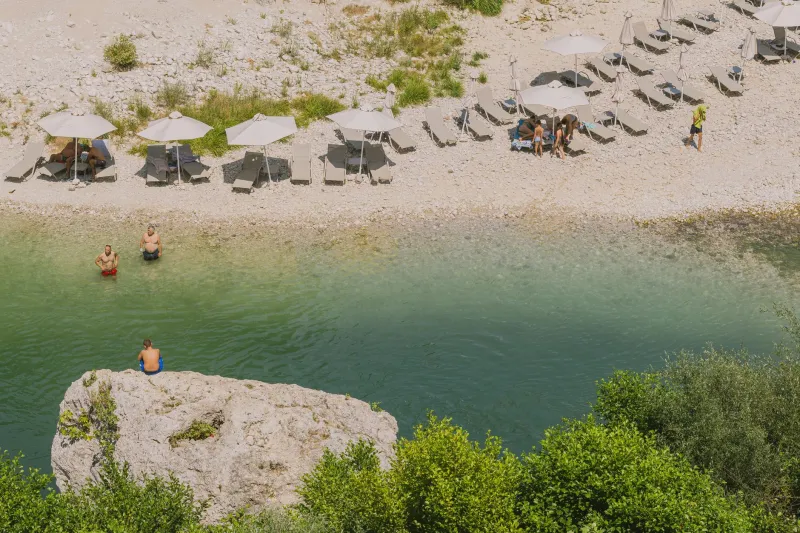
Let's be real: Albania's coastline gets most of the glory. And sure, the Ionian Sea is stunning — turquoise water, dramatic cliffs, the whole postcard package. But ask any Albanian where they spend a blazing August afternoon, and they'll probably point you somewhere else entirely. Somewhere without sunscreen-slicked tourists, overpriced cocktails, or beach chairs rented by the hour.
They'll point you toward the mountains. The canyons. The rivers threading through limestone gorges older than anything you'll find on a map app.
Albania is riddled with freshwater swimming spots that don't show up on most travel blogs — because the people who know about them would prefer to keep it that way. We get it. But American travelers making the trip deserve to experience this country the way it actually lives and breathes, not just the highlight reel. So here's the insider rundown on where to find Albania's most spectacular natural swimming holes, plus everything you need to plan a safe, unforgettable dip.
The Blue Eye (Syri i Kaltër): The One Everyone Knows — and Why It's Still Worth It
Okay, so this one isn't exactly a secret anymore. But it earns its spot on this list because no amount of Instagram exposure fully prepares you for it. Located about 20 miles east of Sarandë, the Blue Eye is a natural spring that bubbles up from an unfathomable depth — scientists still haven't reached the bottom — and produces water so cold and so intensely blue it looks digitally altered.
The swimming here is more of a wade-and-gasp situation. The water hovers around 50°F year-round, so it's less "lazy afternoon swim" and more "adrenaline shock therapy." Go early morning on a weekday to beat the tour buses from the coast. The surrounding beech forest is gorgeous, and the short walking trail to the spring is easy enough for most fitness levels.
Best time to visit: May through September. Mornings on weekdays. Getting there: Rent a car in Sarandë and follow signs toward Muzinë. Google Maps handles this one reasonably well.
Bogova Waterfall: Albania's Most Underrated Plunge Pool
Tucked into the Berat region — already one of Albania's most rewarding destinations for history lovers — Bogova Waterfall is the kind of place that feels like you wandered into a nature documentary. The falls drop roughly 25 feet into a natural pool ringed by mossy rock, and on a hot summer day, you'll find local families, teenagers, and the occasional shepherd cooling off here.
The hike in takes about 45 minutes from the nearest village and involves some scrambling over rocks near the end. Nothing technical, but wear actual shoes — not flip-flops. The payoff is a swimming hole that feels genuinely wild, genuinely remote, and genuinely free of charge.
Best time to visit: June through August when water levels are ideal for swimming. Pro tip: Combine this with a day trip to Berat's UNESCO-listed old town. It's only about 12 miles away.
Valbona River, Theth Valley: The Alps Are Calling
If you've heard anything about Albanian adventure travel, you've probably seen photos of the Accursed Mountains — the dramatic Albanian Alps that form a natural border with Montenegro and Kosovo. What fewer people talk about is the swimming.
The Valbona River runs ice-cold and crystal-clear through one of Albania's most spectacular alpine valleys. Along the trail between Valbona and Theth — one of the Balkans' most celebrated hikes — there are dozens of informal swimming spots where the river widens into shallow pools. Locals and hikers alike strip off their packs and wade in after a long morning on the trail.
The water is glacial-cold even in July, which makes it perfect after a sweaty climb. Look for spots where the current slows and the riverbed flattens out — these tend to be the safest for swimming.
Best time to visit: July and August. The trail is accessible from late May, but water temperatures are more tolerable mid-summer. Getting there: Fly into Tirana, take the ferry across Lake Koman (an experience in itself), and arrive in Valbona. Plan at least two nights — one night is never enough.
Shala River Canyon: The "Albanian Fjord" That Swims Better Than It Sounds
The Shala River has earned a few nicknames — "the most beautiful river in Europe" being one of them, which is a bold claim, but honestly not that far off. The canyon it carves through the mountains of northern Albania is narrow, dramatic, and lined with vertical limestone walls that glow pale gold in afternoon light.
Most visitors take a boat from the Koman Ferry landing to reach the canyon, and boatmen will stop at a few swimming spots along the way. The best one — a wide, calm stretch of turquoise water backed by a beach of white river stones — is where locals from surrounding villages gather on weekends with picnics and inflatable floats.
This isn't a hike-in situation. You're arriving by wooden motorboat, which adds its own charm. Negotiate with boat operators at the Koman dock — prices are reasonable and bargaining is expected.
Best time to visit: June through September. Don't miss: The small restaurant at the far end of the canyon that serves grilled trout caught that morning.
Osumi Canyon: Canyon Swimming With a Side of Drama
In the Skrapar region of central Albania, the Osumi River has spent thousands of years carving a canyon so deep and narrow that sunlight only hits the water for a few hours each day. Local guides run rafting trips through the canyon in spring when water levels are high, but by midsummer the river calms down enough for swimming in the wider sections.
This is Albania's answer to the slot canyons of the American Southwest — minus the crowds, the permits, and the $40 parking fees. Guided canyon tours depart from the town of Çorovodë and typically include swimming stops at the most dramatic sections.
Best time to visit: Late June through August for swimming. March through May for rafting. Good to know: Book a guided tour rather than going solo — the canyon requires navigating some tricky terrain and water conditions can change.
Practical Tips Before You Jump In
A few things worth knowing before you pack your swimsuit and head for the hills:
- Check conditions locally. Mountain water levels shift fast after rainfall. Ask at your guesthouse or hotel before heading out — locals always know.
- Wear water shoes. River and waterfall swimming in Albania often means navigating slippery rocks. Cheap water shoes from a local market can save you a twisted ankle.
- Skip the solo canyon adventures. Places like Osumi are genuinely remote. Go with a guide or at minimum with other people who know the area.
- Bring cash. Most of these spots are free, but if you're hiring a boat or a guide, cash is king. ATMs are scarce once you leave the main towns.
- Respect the space. These are places where Albanian families come to relax away from tourist infrastructure. Keep it clean, keep the noise down, and leave it exactly as you found it.
Albania's beaches are great. Genuinely great. But the country's real magic often lives further from the shoreline, up the valley roads and past the last road sign you can read. The swimming holes here aren't amenities — they're just the landscape doing what it's always done, cold and clear and completely indifferent to whether anyone's watching.
That's kind of the point.