Frame It Differently: Albania Is the Photographer's Destination That Hasn't Been Loved to Death Yet
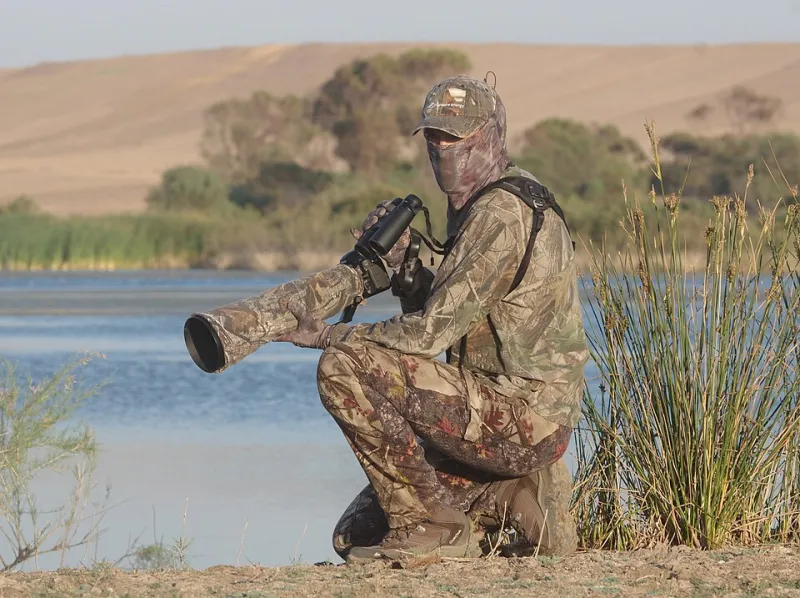
Photo: El Golli Mohamed, CC BY-SA 4.0, via Wikimedia Commons
There's a particular kind of frustration that travel photographers know well. You've planned a shot for months. You've studied the light. You've booked the early-morning slot. And when you get there, twenty other people with the exact same idea are already standing in front of the exact same view, tripods out, golden hour burning.
Santorini's blue domes. The lavender fields of Provence. Plitvice Lakes on a summer weekend. The most photographed places on earth have a way of photographing themselves into irrelevance — the image so familiar, so replicated, that it stops meaning anything.
Albania is not that. Not yet.
And that's the thing about this small Balkan country that a growing number of photographers — from serious professionals to Instagram creators with a few hundred thousand followers — are starting to talk about, sometimes in whispers, sometimes with a quiet urgency that sounds almost possessive. Get there before everyone else does.
Why Albania Photographs the Way It Does
Part of what makes Albania such a compelling subject is the collision of timelines. You can stand in Gjirokastër's old bazaar and photograph a street that looks almost unchanged from the Ottoman era — stone-paved, narrow, lined with houses that lean toward each other like old friends — and then walk ten minutes to a café where the owner is streaming a football match on a flat-screen and serving espresso that would hold its own in Brooklyn.
That layering — ancient and modern, crumbling and vibrant, preserved and improvised — gives Albanian photography a texture that more homogenous destinations struggle to match. There's always something unexpected in the frame.
The country also has extraordinary range in a small geographic footprint. In a single day, you can photograph a turquoise mountain lake, a Byzantine mosaic, a Communist-era concrete bunker half-buried in a hillside, and a sunset over the Ionian Sea. The light in southern Albania in particular — that specific Mediterranean clarity that photographers obsess over — is extraordinary, especially in the shoulder seasons when the summer haze clears.
The Locations That Are Quietly Going Viral
Lake Koman might be the most visually stunning thing in Albania that most Americans have never heard of. A reservoir in the northern mountains, accessible by a two-hour ferry ride through dramatic fjord-like scenery, Koman looks like someone took the Norwegian coast, compressed it, and relocated it to the Balkans. The light in the early morning, when mist sits in the valleys between the peaks, is the kind of thing that makes photographers forget to eat breakfast.
The Blue Eye (Syri i Kaltër) near Sarandë is a natural spring that produces water so intensely, impossibly blue that it photographs like a visual effect. It's been shared enough online to register on most influencers' radar, but the surrounding beech forest and the walk to get there remain genuinely peaceful compared to similar natural attractions elsewhere in Europe. The challenge is shooting the spring itself without making it look like every other image of the spring — which is, honestly, a good creative problem to have.
Theth, the remote mountain village in the Albanian Alps, is perhaps the country's most rapidly emerging photography destination. A stone church, a centuries-old lock-in tower (kulla), waterfalls, and a backdrop of jagged limestone peaks — Theth has the visual vocabulary of somewhere that should be on every travel photographer's bucket list. The road to get there is rough enough that casual tourists still self-select out, which means the village retains a quiet authenticity that more accessible destinations have long since lost.
Berat's old town, a UNESCO site known as the "City of a Thousand Windows" for its Ottoman-era houses stacked up the hillside, is the kind of place where you can spend a full afternoon doing nothing but walking and shooting and still feel like you've barely scratched the surface. Early morning, before the day-trippers arrive from the coast, the light on those white facades is something else entirely.
The Llogara Pass, a mountain road that crests at nearly 3,300 feet before descending dramatically to the Albanian Riviera, offers the kind of panoramic coastal views that photographers typically have to fight crowds to access. On a clear day, you can see the Greek island of Corfu from the top. It's the kind of shot that makes followers stop scrolling.
The Influencer Conversation Nobody Wants to Have
Here's where it gets complicated — and worth saying plainly.
Albania's visual appeal is inseparable from the things that haven't happened to it yet: the mass tourism, the souvenir shops that crowd out local businesses, the Instagram-optimized cafés that replace the actual cafés, the slow erosion of authenticity that follows sustained attention. The places that photographers are currently whispering about are special precisely because they haven't been loved to death.
That creates a responsibility that not everyone in the content-creation world is comfortable sitting with. Posting a location tag for a remote village that has barely any tourist infrastructure isn't neutral. It's a choice with consequences — for the community, for the landscape, for the experience itself.
Several of the Albanian creators and tourism professionals we spoke to for this piece had nuanced feelings about the growing international photography interest in the country. On one hand, visibility translates to economic opportunity for communities that have historically had limited access to tourism revenue. On the other hand, the pace of that visibility matters enormously.
"We want people to come," said one Tirana-based tourism consultant who asked not to be named. "But we want them to come in a way that respects what's here. The goal isn't to turn Theth into Santorini. The goal is to let people experience something real."
How to Photograph Albania Without Being Part of the Problem
None of this means you shouldn't go, or that you shouldn't share what you find. It means being thoughtful about how you do it.
Hire local guides. Not just because they'll take you to better spots — though they will — but because that money stays in the community. Stay in locally owned guesthouses rather than international chains. Ask before photographing people, especially in smaller villages where the relationship between tourists and cameras can feel extractive rather than reciprocal. Be honest in your captions about what a place actually is, not just what it looks like through a lens.
And consider, occasionally, not tagging the exact location of somewhere fragile. Share the experience. Protect the place.
The Window Is Open — For Now
Albania's moment as a photography destination is real, and it's happening now. The question isn't whether the country will eventually be discovered — it will be. The question is what kind of discovery that turns out to be.
For photographers who value finding something genuine over replicating something famous, the case for Albania is almost self-evident. The light is extraordinary. The subjects are endlessly varied. The crowds haven't arrived yet.
Just bring something other than a camera. Bring some curiosity about the place itself. Albania will reward that far more than any algorithm will.