Goats, Gigabit Wi-Fi, and a Generation Refusing to Leave: Albania's Mountain Villages Are Rewriting the Rural Playbook
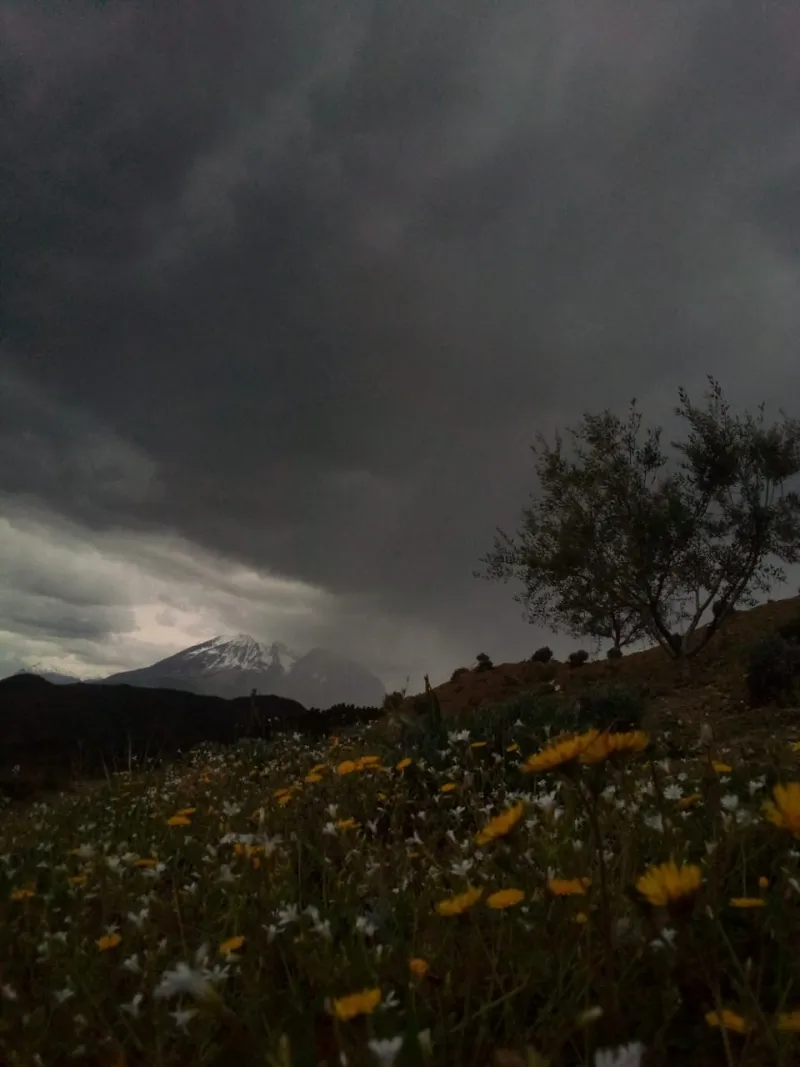
Photo: Florian K 21, CC BY-SA 4.0, via Wikimedia Commons
Somewhere in the Accursed Mountains of northern Albania — a range whose dramatic name is matched only by its dramatic scenery — there's a guesthouse where you can eat a breakfast of fresh mountain cheese and homemade honey, then open your laptop and join a Zoom call with colleagues in San Francisco. The connection is solid. The view from the window involves a 2,000-meter peak. The coffee costs about forty cents.
This is not a fantasy. This is Theth, and it's a pretty good preview of what's happening in remote Albanian communities right now.
The Emigration Paradox
For decades, the story of Albania's mountain villages followed a painful and familiar arc. Young people left. They went to Tirana, to Italy, to Greece, to Germany — anywhere that offered economic opportunity beyond subsistence farming and isolation. Villages that had sustained communities for centuries began to hollow out, leaving behind aging populations and stone houses slowly losing their battles with gravity and weather.
The numbers were stark. Albania lost a significant portion of its population to emigration after communism collapsed in the early 1990s, and the rural highlands were hit hardest. Some villages went from hundreds of residents to dozens in the span of a single decade.
But something started shifting around the mid-2010s, and COVID-19 — for all its devastation — accelerated it dramatically. Remote work didn't just change where Americans and Europeans could live. It changed where Albanians could work, too. Suddenly, a software developer in the Valbona Valley didn't have to choose between their village and their career.
Meet the Returners
Talk to young Albanians in places like Valbona, Theth, or the villages around Shkodër, and you'll encounter a specific personality type with increasing frequency: the returner. These are people in their 20s and 30s who studied abroad, built careers in tech, design, or digital services, and then made the deliberate decision to come back.
They're not coming back out of nostalgia or defeat. They're coming back because they've done the math and the math works. The cost of living in an Albanian mountain village versus Tirana — let alone Berlin or London — is dramatically lower. Broadband infrastructure has improved significantly across the country in recent years, with government investment and private telecom expansion bringing connectivity to places that felt genuinely unreachable a decade ago. And the quality of life argument is hard to dismiss when your commute is a walk past a medieval tower house to a co-working space that used to be a shepherd's barn.
Some returners are building tourism infrastructure — guesthouses, guided hiking operations, cultural experience companies that serve the growing stream of international visitors. Others are working entirely remotely, their income coming from international clients while their expenses stay local. A few are doing something more ambitious: trying to create actual tech businesses rooted in their home communities.
What American Remote Workers Are Finding There
The Albanian government has taken notice of the global remote work trend and has been working to position the country as a viable base for digital nomads. But in the mountain communities, the appeal is less about official policy and more about something harder to quantify.
Americans who've landed in places like Theth or the villages of the Gjirokastra region often describe a similar experience: they came for a week, stayed for a month, and are now thinking about the longer term. The reasons vary but tend to cluster around a few themes.
The cost situation is genuinely transformative for people whose income is in dollars. A comfortable room in a family guesthouse might run $25 to $40 a night, including meals. Renting a small house for a month costs a fraction of what a single week in a Lisbon Airbnb would run. For someone earning a US salary while spending Albanian prices, the financial breathing room is significant.
Beyond money, there's the texture of daily life. Albanian mountain communities maintain a social fabric that feels different from the anonymity of urban coworking culture. The concept of besa — roughly translated as a code of honor and hospitality so deeply embedded in northern Albanian culture that it functions almost like a social operating system — means that visitors are treated with a generosity that's hard to prepare for. People look out for each other. Neighbors are neighbors in the full sense of the word.
The Tech Infrastructure Story
It would be misleading to suggest that connectivity is uniformly excellent across all of Albania's remote areas. It isn't. Some villages still have patchy mobile coverage and internet speeds that would frustrate anyone trying to upload large files or run bandwidth-heavy video calls. The situation is improving, but it's improving unevenly.
The villages that have invested in tourism infrastructure tend to have the best connectivity, because guesthouse owners figured out quickly that reliable internet is as important as a comfortable bed for the travelers they want to attract. Theth, Valbona, and Berat's surrounding villages are generally reliable. More remote communities require more research before you commit to a work-from-anywhere experiment.
The practical advice: always ask specifically about upload speeds before booking if you're planning to work. Most Albanian guesthouse owners are now completely fluent in what digital workers need and will give you a straight answer.
Tradition and Innovation Sharing a Kitchen Table
What makes this story genuinely interesting — and genuinely different from similar narratives you might read about rural regeneration in Portugal or rural Japan — is the specific cultural context. Albanian mountain villages carry a weight of tradition that's distinctive and often misunderstood by outsiders.
The Kanun, the ancient code of customary law that governed highland communities for centuries, is sometimes referenced in Western media almost exclusively in the context of blood feuds — a practice that defined conflict resolution in a way that sounds medieval because, well, it was. But the Kanun is a vastly more complex document than that single association suggests. It codified hospitality, property rights, social obligations, and community governance in ways that created remarkably stable social structures in environments where the state was essentially absent.
The young people returning to these villages aren't rejecting that heritage. They're navigating it — keeping the parts that work (the hospitality, the community solidarity, the connection to landscape) while setting aside the parts that don't (the isolation, the economic stagnation). It's a genuinely interesting cultural negotiation to observe, and it makes these communities more layered and compelling as travel destinations than any simple "authentic village" label would suggest.
Planning a Visit to Albania's Digital Highlands
If the idea of spending a week or two working from an Albanian mountain village sounds appealing — and it should — here's a practical starting framework:
Best entry points: Shkodër for northern villages (Theth, Valbona); Gjirokastër for southern highland communities. Both cities have good bus connections from Tirana's international airport.
Best seasons: Late spring (May-June) and early fall (September-October) offer the best combination of comfortable temperatures, accessible trails, and manageable visitor numbers. July and August are increasingly popular and can feel crowded by Albanian standards, though still quiet compared to mainstream European destinations.
Accommodation: Family guesthouses (locally called bujtina) are the backbone of the accommodation scene and the best way to experience genuine hospitality. Most include meals. Booking directly or through local tourism cooperatives is preferable to third-party platforms when possible — the money stays more completely in the community.
Budget: Figure $40-60 per day for a comfortable experience including accommodation, meals, and local transportation. That's not a typo.
Albania's mountain villages aren't a finished product. They're a work in progress — messy, surprising, occasionally frustrating, and absolutely worth your time. The generation that's choosing to stay and build something there is making a bet on a different kind of future. Watching them do it, from a guesthouse with a mountain view and a decent Wi-Fi password, is one of the more quietly inspiring travel experiences available right now.